

Style has always been a dynamic and developmental expression of civilization, innovation, and self-expression. In recent years, one of the most thrilling trends to emerge is the blending of conceptual art with fashionable garments. This singular junction invites us to explore how the principles of abstract design can transform the way we perceive fashion. Rather than merely serving a utilitarian purpose, clothing becomes a medium where colors, shapes, and forms collide together to tell a tale that is both individual and universal.
As designers draw motivation from the world of conceptual art, they defy established notions of aesthetics and wearability. The path from canvas to closet is not just about looks; it reflects a deeper movement toward individuality and the embrace of creativity in our everyday lives. This transformation allows individuals to not only display their art but to also engage with fashion on a deeper and meaningful level. What once might have been confined to galleries is now available, inviting us all to integrate distinctive artistic visions into our wardrobes.
A Development of Non-Representational Art in Fashion
Across the ages, the fusion of non-representational art and fashion has led to groundbreaking innovations in how we view these two domains. Beginning in the late 20th century, non-representational art questioned conventional depictions and brought forth new ways of articulating emotions and ideas. Artists like Kandinsky and Piet Mondrian paved the way for the integration of hue, form, and design into fashion. Their groundbreaking works inspired designers to step outside traditional designs and investigate the limitless possibilities of abstraction in clothing design.
The 60s and 70s marked a significant milestone as the world of fashion welcomed the energy and vibrancy of abstract art. Designers started to incorporate bold, striking designs similar to abstract paintings into their lines. The rise of popular art and avant-garde movements propelled this movement, with figures like Saint Laurent and Emilio Pucci taking cues from modern artists. This blend not only transformed the visual appeal of clothing but also asserted fashion's role as a platform for artistic expression.
As the years went by, the relationship between abstract art and style changed, becoming more than just an impact; it became a collaborative celebration of artistic innovation. Designers like Miyake and Garçons redefined garments to create art you can wear that echoed the methods and philosophies of non-representational art. Today, the ongoing dialogue between these two areas goes on to create innovative designs, proving that abstract fashion is not merely a trend but a essential representation of society and self.
Impactful Designers and Their Impact
The domain of abstract fashion has been influenced profoundly by pioneering designers whose innovative approaches have reshaped the limits of clothing as art. One such designer is Miyake, whose work blends technology and design to create garments that embody movement and grace. His iconic pleated designs not only question traditional silhouettes but also highlight the concept of wearability without sacrificing artistic expression. Miyake’s ability to integrate functionality with avant-garde aesthetics has motivated countless fashion lovers and designers alike.
Another major figure in the world of avant-garde fashion is the label Comme des Garçons founder Rei Kawakubo. luttz for her conceptual designs and nontraditional shapes, Kawakubo’s work regularly explores themes of disassembly and identity. By prioritizing form over conventional fashion norms, she motivates wearers to regard clothing not just as an item, but as a declaration about individuality and creative inquiry. Her revolutionary runway shows and collections have left an indelible mark on the fashion industry, provoking dialogue about the nature of beauty and the function of fashion in society.
In conclusion, the impact of McQueen cannot be overlooked. His dramatic presentations transformed fashion into a medium for narrative and emotional expression. McQueen often merged historical references with modern issues, using his collections to reflect upon topics such as gender, ethnicity, and mortality. His ability to elicit strong reactions through abstract fashion design stretched the limits of what fashion could convey, making it clear that garments could be both art and commentary. The legacy of these influential designers continues to resonate, establishing a basis for the progression of abstract fashion in the present day.
A Outlook of Abstract Fashion Styles
While we gaze into the future, conceptual fashion is set to evolve dramatically, integrating technology and sustainability in ways we have yet to completely envision. The rise of digital fashion and virtual reality is enabling designers to experiment with patterns, textures, and structures that challenge the traditional perceptions of apparel. We can anticipate an exciting blend of augmented visuals and physical garments, where the courage of abstract design not just catches the eye but also transforms the consumer experience through interactive elements.
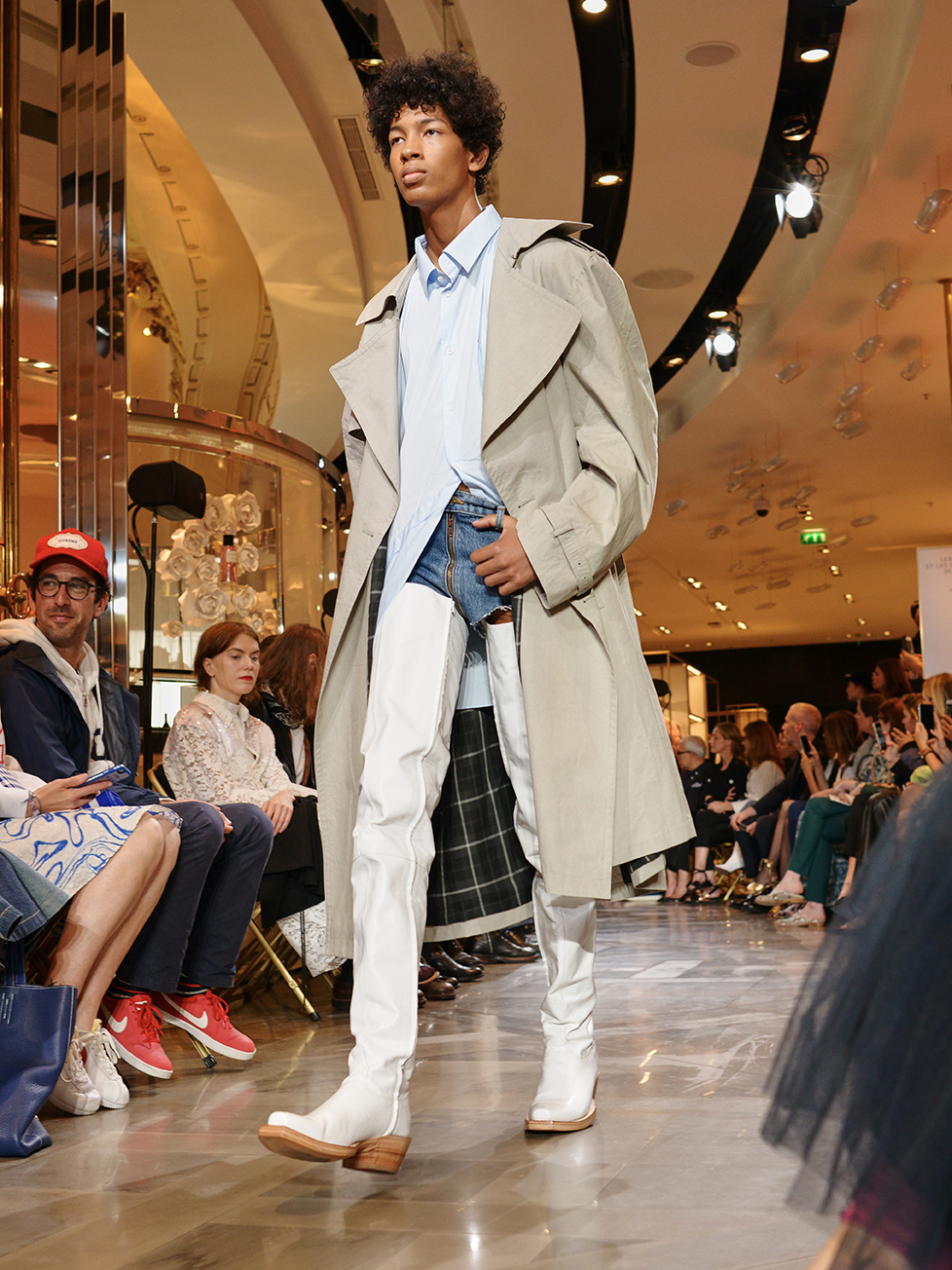
Furthermore, sustainability will become a pillar of conceptual fashion trends. As consumers grow increasingly conscious of the environmental impact of their buying habits, designers will turn to eco-friendly materials and practices that maintain the bold essence of abstract art. This combination will produce garments that are not only visually striking but also resonate with ethical standards, promoting a fashion culture that values artistic expression together with responsibility. Expect to see creative techniques that reduce waste while celebrating vibrant, bold designs that reflect individuality and awareness.
Lastly, the influence of global cultures will persist to shape conceptual fashion, resulting in hybrid styles that honor diversity. Designers will draw inspiration from multiple cultural aesthetics, blending them into expressions that are not only visually captivating but also narrate stories of identity and heritage. This cultural collaboration will foster a rich tapestry of wearable art, inviting wearers to embrace their uniqueness while linking with a broader narrative. As conceptual fashion evolves, it will act as a canvas for creativity, innovation, and inclusivity, redefining how we view and don art in our daily lives.